
ברוכים הבאים למשכן לאמנות עין חרוד, המוזאון המוביל והוותיק בצפון, המציג תערוכות אמנות של טובי האמנים בארץ ובעולם.
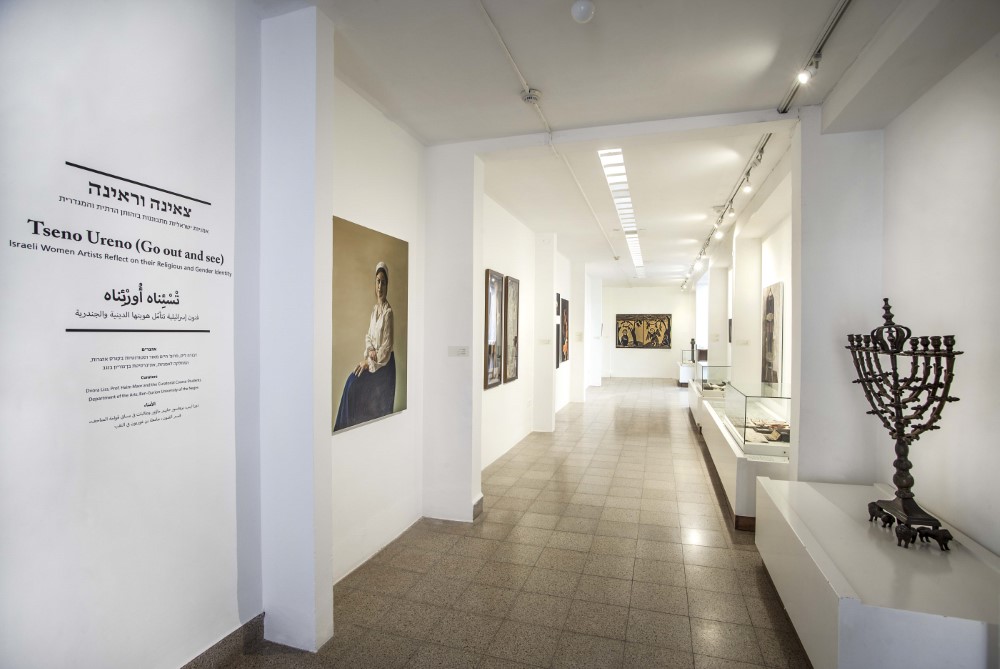
במוזאון אחד האוספים הגדולים של אמנים יהודיים מסוף המאה ה- 19 ותחילת המאה ה- 20, לצד אוסף אמנות ישראלית נרחב וחפצי יודאיקה מכל התפוצות.
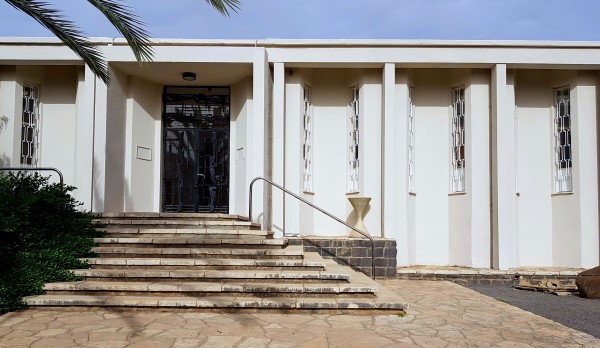
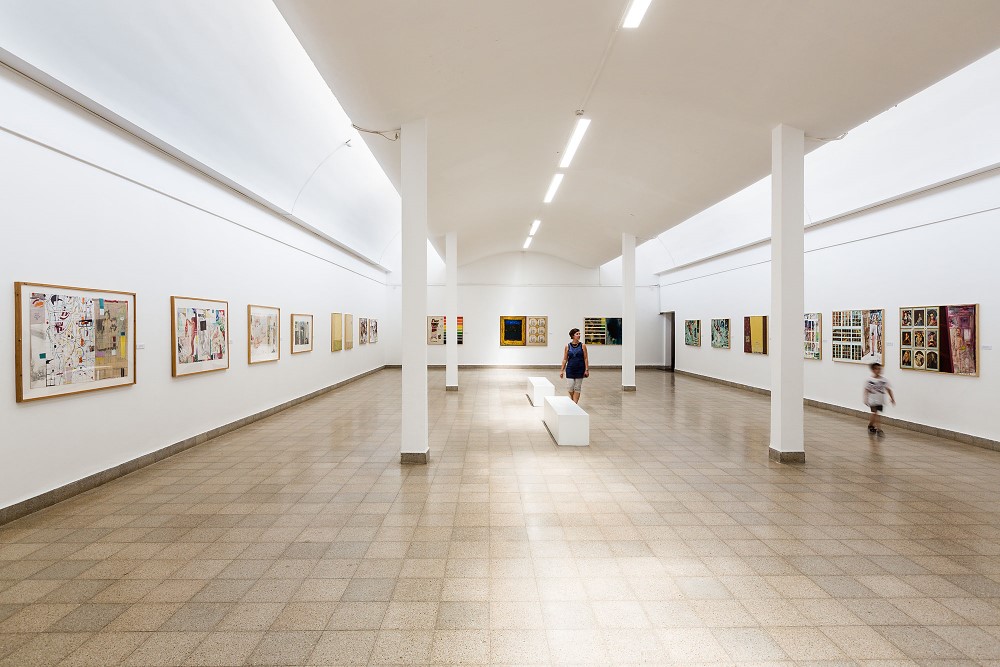
מבנה המוזיאון, אשר נחנך בשנת 1948, הינו יצירה ארכיטקטונית מודרניסטית מרהיבה. תכנונו פורץ הדרך של האדריכל שמואל ביקלס, המבוסס כולו על תאורה טבעית, מהווה השראה לאדריכלים בעלי שם עולמי. 14 אולמות תצוגה רחבים וגבוהים, חצרות פנימיות נחבאות וקסומות ואוירה מיוחדת וממגנטת.
סיפורו ההיסטורי יוצא הדופן, התערוכות המוצגות, ואדריכלות האור הטבעי מזמנים חוויה ייחודית למבקר.



דבר המנהלת
במשכן לאמנות עין חרוד יש סוד. הסוד טמון בחומר וטובל ברוח. שורשיו נטועים ביסודות בניינה של המדינה, בניינו של הקיבוץ הראשון בארץ, ובניינה של התנועה הקיבוצית והתיישבות העובדת. צמרותיו ברוח החלוץ הציוני. בתרבות, במורשת. במסורת בית אבא. באמנות. גזע איתן מחבר בין השניים, ומזין את פלא הקמתו ופועלו. את תחושת השליחות והאחריות, את ההתרגשות ואת האמונה הכנה במשפט שמלווה אותנו כבר 83 שנה, כי "חיינו מחייבים אמנות"!
המשכן לאמנות שהוקם בשנת 1938, הוא מן החשובים במוזיאונים בישראל. על שלושה נכסים עיקריים הוא נשען ביציבות ובגאווה. כל אחד מהם, בדרכו האיכותית, השקטה והצנועה פורץ דרך בתחומו. קרא עוד
במשכן לאמנות עין חרוד יש סוד. הסוד טמון בחומר וטובל ברוח. שורשיו נטועים ביסודות בניינה של המדינה, בניינו של הקיבוץ הראשון בארץ, ובניינה של התנועה הקיבוצית והתיישבות העובדת. צמרותיו ברוח החלוץ הציוני. בתרבות, במורשת. במסורת בית אבא. באמנות. גזע איתן מחבר בין השניים, ומזין את פלא הקמתו ופועלו. את תחושת השליחות והאחריות, את ההתרגשות ואת האמונה הכנה במשפט שמלווה אותנו כבר 83 שנה, כי "חיינו מחייבים אמנות"!
המשכן לאמנות שהוקם בשנת 1938, הוא מן החשובים במוזיאונים בישראל. על שלושה נכסים עיקריים הוא נשען ביציבות ובגאווה. כל אחד מהם, בדרכו האיכותית, השקטה והצנועה פורץ דרך בתחומו. קרא עוד

סיפור המוזיאון
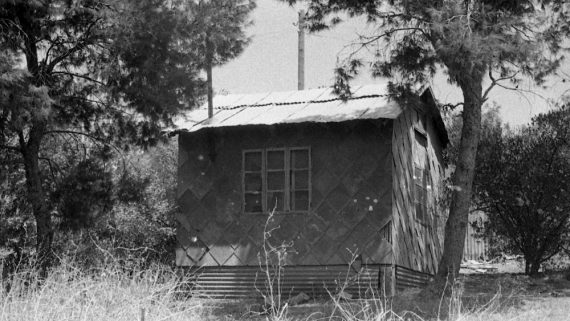
ראשיתו של המשכן לאמנות ב- 1937 ב"פינת אמנות" בצריף-עץ קטן באטלייה של הצייר, חבר קיבוץ עין חרוד, חיים אתר (1902 – 1953), יוזם המוזאון ומייסדו. ב-1940 עבר האוסף למשכנו החדש בצריף גדול יחסית, ששימש בעבר כצריף לכיתות בית הספר. הוא שופץ וקירותיו כוסו בבד יוטה חדש. בשלב הראשון הוצג האוסף בשני חדרים, באחד הוצג אוסף ציורי השמן והאקוורלים, בשני אוסף רישומים והדפסים. ב 1942 צורף למשכן החדר השלישי בצריף והוקדש לספרית אמנות. בשנת 1948 נפתח חלקו הראשון של מבנה הקבע שכונה מעתה: משכן לאמנות. האדריכל שמואל ביקלס (1909 – 1975) תכנן יצירה ארכיטקטונית מופלאה בפשטותה, שאיכותה ביחסי המידות של האולמות ובניצול המקורי והייחודי של האור הטבעי. . קרא עוד
ראשיתו של המשכן לאמנות ב- 1937 ב"פינת אמנות" בצריף-עץ קטן באטלייה של הצייר, חבר קיבוץ עין חרוד, חיים אתר (1902 – 1953), יוזם המוזאון ומייסדו. ב-1940 עבר האוסף למשכנו החדש בצריף גדול יחסית, ששימש בעבר כצריף לכיתות בית הספר. הוא שופץ וקירותיו כוסו בבד יוטה חדש. בשלב הראשון הוצג האוסף בשני חדרים, באחד הוצג אוסף ציורי השמן והאקוורלים, בשני אוסף רישומים והדפסים. ב 1942 צורף למשכן החדר השלישי בצריף והוקדש לספרית אמנות. בשנת 1948 נפתח חלקו הראשון של מבנה הקבע שכונה מעתה: משכן לאמנות. האדריכל שמואל ביקלס (1909 – 1975) תכנן יצירה ארכיטקטונית מופלאה בפשטותה, שאיכותה ביחסי המידות של האולמות ובניצול המקורי והייחודי של האור הטבעי. . קרא עוד
המבנה האדריכלי
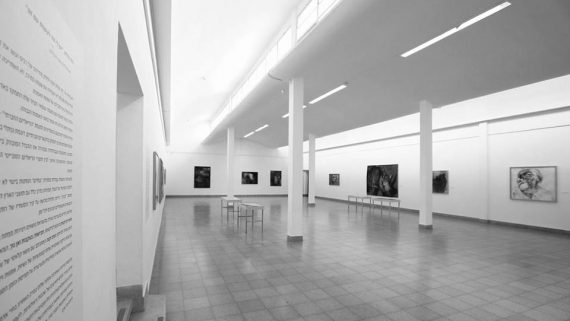
שמואל ביקלס (לבוב, 1909-קיבוץ בית השיטה, 1975), אדריכל המשכן לאמנות בעין חרוד, היה יוצר רב-השראה בתחומי אמנות מגוונים. בנייניו מתאפיינים בטיפול מיוחד באור טבעי מסונן המגיע מבחוץ. בדומה לאמנים אירופיים אחרים שהגיעו לארץ בשנות ה-30, המפגש עם האור הבוהק של המזרח הקרוב נתן לביקלס את ההשראה למחקר מתמשך וליצירה של סדרת פתרונות מקוריים. גגות המשכן מפוסלים כסדרה של גלים היוצרים חלונות עיליים נסתרים וקמרונות המחזירים את האור ומזרימים אותו כמפל נוהר על גבי הקירות. המבנה כולו מופנה כלפי פנים וסוד קסמו הוא באור הטבעי הנוהר מחלונות נסתרים אל קירות התצוגה הלבנים. קרא עוד
שמואל ביקלס (לבוב, 1909-קיבוץ בית השיטה, 1975), אדריכל המשכן לאמנות בעין חרוד, היה יוצר רב-השראה בתחומי אמנות מגוונים. בנייניו מתאפיינים בטיפול מיוחד באור טבעי מסונן המגיע מבחוץ. בדומה לאמנים אירופיים אחרים שהגיעו לארץ בשנות ה-30, המפגש עם האור הבוהק של המזרח הקרוב נתן לביקלס את ההשראה למחקר מתמשך וליצירה של סדרת פתרונות מקוריים. גגות המשכן מפוסלים כסדרה של גלים היוצרים חלונות עיליים נסתרים וקמרונות המחזירים את האור ומזרימים אותו כמפל נוהר על גבי הקירות. המבנה כולו מופנה כלפי פנים וסוד קסמו הוא באור הטבעי הנוהר מחלונות נסתרים אל קירות התצוגה הלבנים. קרא עוד
האוסף
הציור הישראלי מיוצג באוסף המשכן לאמנות ביצירות של מיטב האמנים המייצגים את הזרמים השונים והקבוצות הרבות שפעלו באמנות הישראלית בכל תולדותיה. באוסף היודאיקה שמורים תשמישי קדושה ומצווה מכל עדות ישראל מאז המאה ה-18 ועד היום, ממזרח ומרכז אירופה, מצפון אפריקה והמזרח הקרוב. אוסף הציור והגרפיקה של המשכן לאמנות כולל ציורים של ציירים יהודים מסוף המאה ה-19 ומהמחצית הראשונה של המאה ה-20. מאוריציו גוטליב, שמואל הירשנברג, ליאופולד הורוביץ, מאוריצי מינקובסקי, ארטור מארקוביץ, איזידור קאופמן ואחרים ציירו, מי בסגנון רומנטי ומי בסגנון ריאליסטי, את חיי היהודים במזרח אירופה. קרא עוד
הציור הישראלי מיוצג באוסף המשכן לאמנות ביצירות של מיטב האמנים המייצגים את הזרמים השונים והקבוצות הרבות שפעלו באמנות הישראלית בכל תולדותיה. באוסף היודאיקה שמורים תשמישי קדושה ומצווה מכל עדות ישראל מאז המאה ה-18 ועד היום, ממזרח ומרכז אירופה, מצפון אפריקה והמזרח הקרוב. אוסף הציור והגרפיקה של המשכן לאמנות כולל ציורים של ציירים יהודים מסוף המאה ה-19 ומהמחצית הראשונה של המאה ה-20. מאוריציו גוטליב, שמואל הירשנברג, ליאופולד הורוביץ, מאוריצי מינקובסקי, ארטור מארקוביץ, איזידור קאופמן ואחרים ציירו, מי בסגנון רומנטי ומי בסגנון ריאליסטי, את חיי היהודים במזרח אירופה. קרא עוד
פרס אלימה
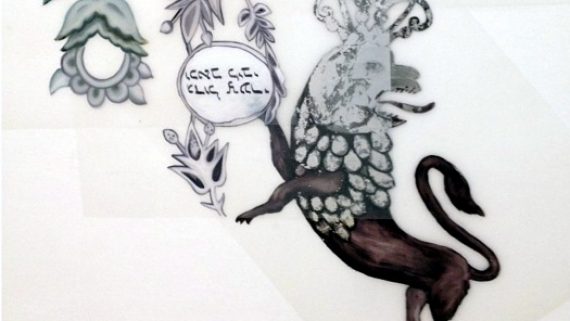
פרס אלימה ריטה להדפס הוא פרי יוזמתה ומחשבתה של אלימה ונועד לשתי מטרות עיקריות. האחת – לשמר את זכרה ואת פועלה כאשה, כאמנית וכמורה. השנייה – רצונה של אלימה לתמוך ולעודד אמנים ויוצרים מתחום ההדפס, גם לאחר לכתה. הקרן ע"ש אלימה הוקמה בשיתוף עם המשכן לאמנות, עין חרוד, בליווי של עו"ד עמי פולמן. פירותיה יוענקו מדי שנתיים לאמן או אמנית לצורך מימוש של פרויקט בתחום ההדפס ויועברו לסדנת ההדפס, שתיבחר ע"י הזוכה. קרא עוד
פרס אלימה ריטה להדפס הוא פרי יוזמתה ומחשבתה של אלימה ונועד לשתי מטרות עיקריות. האחת – לשמר את זכרה ואת פועלה כאשה, כאמנית וכמורה. השנייה – רצונה של אלימה לתמוך ולעודד אמנים ויוצרים מתחום ההדפס, גם לאחר לכתה. הקרן ע"ש אלימה הוקמה בשיתוף עם המשכן לאמנות, עין חרוד, בליווי של עו"ד עמי פולמן. פירותיה יוענקו מדי שנתיים לאמן או אמנית לצורך מימוש של פרויקט בתחום ההדפס ויועברו לסדנת ההדפס, שתיבחר ע"י הזוכה. קרא עוד

חוג הידידים
חוג ידידי המשכן לאמנות, עין חרוד הינו התאגדות שקמה לצורך תמיכה בפעילותו של המשכן לאמנות, מתוך אמונה בתפקיד החשוב שהוא ממלא בשדה האמנות והתרבות הישראלית. הצטרפות לחוג ידידי המשכן נועדה לאלה המבקשים לקחת חלק בקידום מטרותיו של המוזאון ובפעילויות השונות שהוא מקיים. להיות שותפים ליצירה המתקיימת בו ולהבטחת האמצעים המאפשרים את כל אלה. בין שאר פעילויותיו, יעסוק חוג ידידי המשכן בסיוע ליצירת האמצעים שיאפשרו למוזאון לשמר את המורשת האמנותית והאדריכלית העשירה שלו ולהבטיח את המשך פעילותו וחזונו העתידי. הנכם מוזמנים להצטרף לחוג הידידים ולהיות שותפים ליצירה ענפה!
חוג ידידי המשכן לאמנות, עין חרוד הינו התאגדות שקמה לצורך תמיכה בפעילותו של המשכן לאמנות, מתוך אמונה בתפקיד החשוב שהוא ממלא בשדה האמנות והתרבות הישראלית. הצטרפות לחוג ידידי המשכן נועדה לאלה המבקשים לקחת חלק בקידום מטרותיו של המוזאון ובפעילויות השונות שהוא מקיים. להיות שותפים ליצירה המתקיימת בו ולהבטחת האמצעים המאפשרים את כל אלה. בין שאר פעילויותיו, יעסוק חוג ידידי המשכן בסיוע ליצירת האמצעים שיאפשרו למוזאון לשמר את המורשת האמנותית והאדריכלית העשירה שלו ולהבטיח את המשך פעילותו וחזונו העתידי. הנכם מוזמנים להצטרף לחוג הידידים ולהיות שותפים ליצירה ענפה!